
STV revenue down 27% as broadcaster prepares ADapt launch
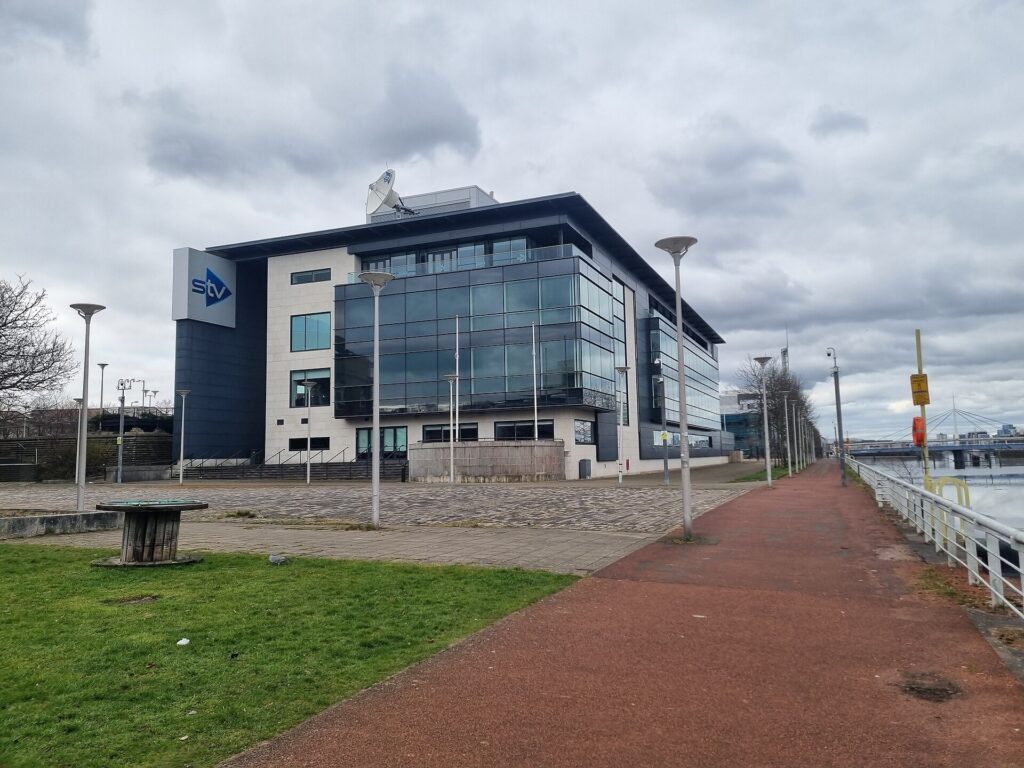
STV Group reported revenue of £66.1 million for the six months to 30 June 2026, down 27% from £90.0 million a year earlier, as lower income from its Studios division outweighed growth in advertising.
Total advertising revenue rose 5% to £48.1 million, while Studios revenue fell from £42.2 million to £15.5 million. STV said the year-on-year comparison reflected lower production activity in the first half of 2026 and scripted programme revenue recognised a year earlier that was not expected to repeat.
Adjusted operating profit fell 12% to £5.9 million. On a statutory basis, the group recorded an operating loss of £20.5 million after a £25.4 million non-cash impairment of assets in STV Studios. The company said the impairment reflected uncertainty around the pace and scale of new commissions as broadcasters and streaming platforms take longer to make programme decisions.
Advertising and audio provided a stronger part of the half-year performance. STV’s Audience division generated revenue of £50.6 million and adjusted operating profit of £11.1 million, up 21% on the same period in 2025.
STV Radio also reported 139,000 weekly listeners in its first RAJAR figures, with listeners tuning in for 1.3 million hours. The figures place the station among Scotland’s ten most-listened-to commercial radio services after its first six months on air.
The Glasgow-based broadcaster is now preparing the full roll-out of STV ADapt in the fourth quarter of 2026. STV describes the platform as an AI-driven, data-powered addressable advertising service designed to let businesses reach audiences across its broadcast, digital, and audio channels.
The results also show STV remains on course to deliver £8 million in annualised cost savings by the end of 2026 following a restructuring programme that reduced around 60 roles across the group. Net debt stood at £42.9 million at the end of June, compared with £45.3 million at the end of 2025.
For the third quarter, STV expects total advertising revenue to be around 5% lower year on year. Its Studios division is now expected to break even for the full year, with future performance dependent in part on decisions around several programmes in development.