
Syngenta Grangemouth closure plan puts 377 jobs at risk
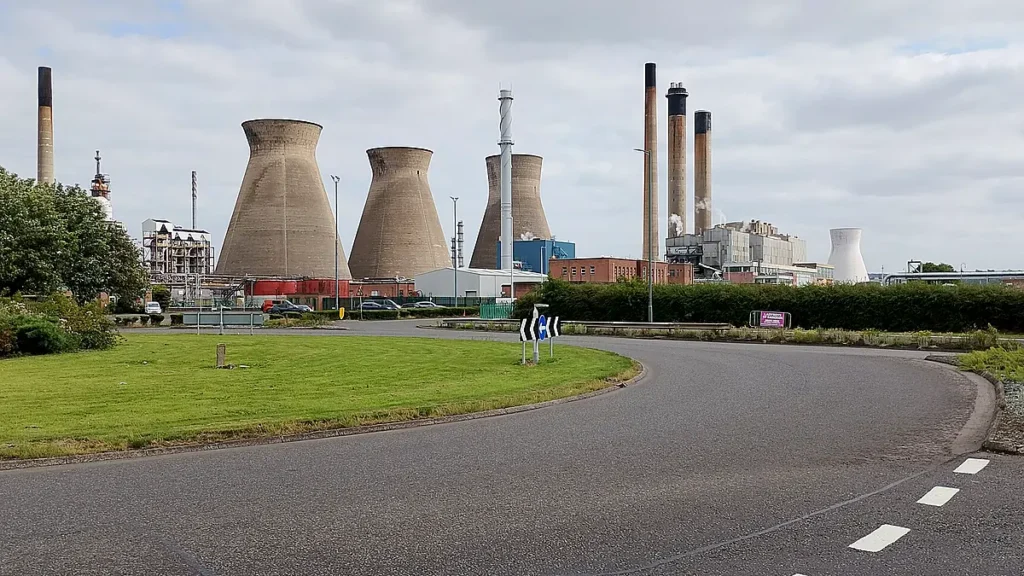
Syngenta has proposed closing its manufacturing site in Grangemouth, putting 377 jobs at risk in another potential blow to the town’s industrial economy.
The crop protection company announced the proposal on 1 October 2026 and has begun formal consultation with employees and trade unions. No final decision has been made, and Syngenta says it will consider alternative options for the site.
Why Syngenta says its Grangemouth site is uncompetitive
In its official announcement, Syngenta said the proposal followed a review of its manufacturing operations amid growing international competition and difficult energy conditions.
The company said Grangemouth remained substantially more expensive to operate than its other production sites, despite efforts to reduce costs.
It had identified potential savings and examined alternative approaches to its manufacturing processes, but concluded that these measures would not be enough to close the cost gap.
Mike Hollands, global head of production and supply at Syngenta Crop Protection and president of Syngenta UK, said:
“The workforce at Grangemouth is highly skilled and passionate, but despite all efforts, we have not been able to make the Grangemouth site competitive”
Syngenta employs more than 2,000 people across the UK in research, production, supply, and commercial activities.
Closure proposal follows £2.2 million Scottish Enterprise grant
The announcement comes just 16 months after Scottish Enterprise awarded Syngenta £2.2 million towards a £14.7 million expansion project at Grangemouth.
Announced in May 2025, the investment was intended to establish a dedicated manufacturing facility for Syngenta’s Seedcare products, creating 38 jobs and safeguarding a further 14 existing positions.
Those plans were presented as a means of expanding production and supporting the site’s future within Scotland’s chemicals sector.
In an update issued on 2 October, Syngenta confirmed it had received approximately £1 million of the £2.2 million grant allocation.
The company said it had invested close to £15 million of its own money at Grangemouth in an attempt to diversify production and secure the site’s future.
Syngenta also stated that it intends to repay the public funding it received if the proposed closure proceeds following consultation.
The distinction is important: although £2.2 million was awarded, the company says only around £1 million has actually been received.
Scottish Government seeks alternatives to closure
Stephen Flynn, Scotland’s Cabinet Secretary for Economy, Tourism and Transport, addressed the proposed closure in a Scottish Parliament statement on 6 October.
He said Scottish Enterprise had been working with Syngenta during 2026 to examine operational problems, infrastructure requirements, and potential investment.
A support package had been offered to the company, according to the cabinet secretary, but neither the Scottish nor UK government had received substantive feedback before the consultation was announced.
The Scottish Government has activated its Partnership Action for Continuing Employment (PACE) service to support workers affected by the announcement.
Mr Flynn also said he had asked Scottish Enterprise to examine every available option for retaining industrial activity at the site.
The potential consequences extend beyond Syngenta’s direct workforce. The Scottish Government acknowledged that contractors and suppliers could also be affected, although the wider impact has not yet been quantified.
The announcement comes as other businesses continue to invest in the Falkirk area.
Among them is biotechnology company MiAlgae, which secured £2.5 million from the Scottish National Investment Bank for its Grangemouth production facility earlier this month.
That investment illustrates the contrasting pressures facing the area’s industrial economy, with new manufacturing activity developing while established operations confront rising costs and international competition.
For Syngenta’s 377 employees, the immediate focus remains the consultation process and whether an alternative can be found to keep operations running in Grangemouth.
Related Scottish business news