
From milk round to spirits: three generations of Isle of Mull Cheese
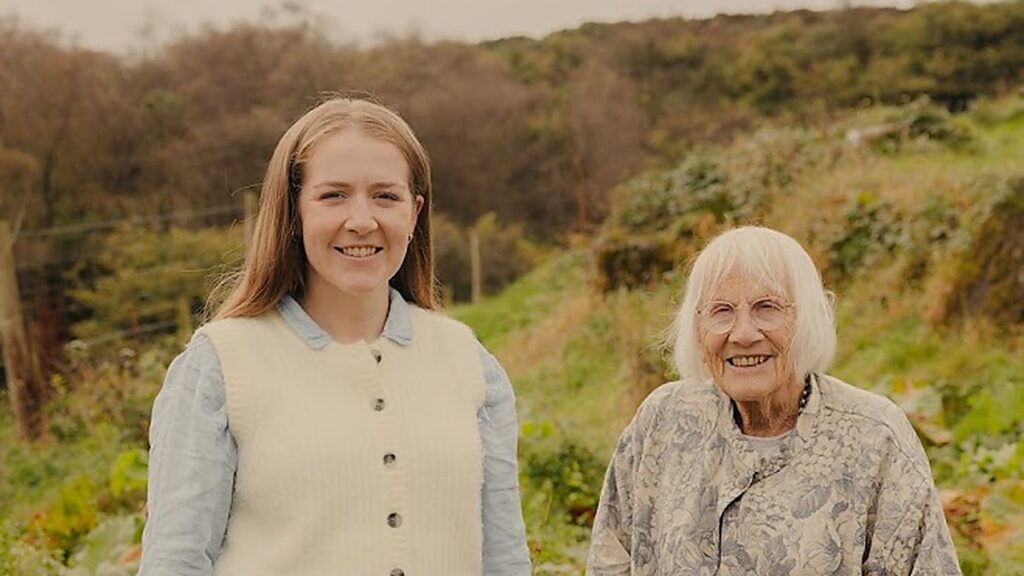
For about 20 years, the Reade family’s farm near Tobermory was known on Mull mainly for its milk round. Cheese was made from the surplus.
That order has since reversed. The farm’s milk now goes into cheesemaking, while the leftover whey is used to produce spirits at a distillery built on the same site.
On 27 October 2026, Isle of Mull Cheese will introduce its latest product, a cream liqueur developed by Lily Reade, the third generation of the family to work at Sgriob-ruadh Farm.
It’s another chapter in a family business that began with 10 cows and a move from Somerset more than four decades ago.
A milk round that became a cheese business
Jeff and Christine ‘Chris’ Reade moved to the Isle of Mull in 1980 with their four sons, Brendan, Matthew, Garth, and Joe.
According to the family’s own history, the decision followed a holiday to the island in 1979, when they recognised an opportunity to provide a more consistent supply of fresh milk to local residents.
The family bought Sgriob-ruadh, a neglected farm near Tobermory, and spent the following years moving their dairy operation north.
Matthew and Garth brought 10 cows to Mull and established a milk round. Initially, the family made cheese from whatever milk remained, maturing its early batches in a local whisky bond store.
Demand for the cheese gradually overtook demand for bottled milk. By 2000, the family had stopped its milk deliveries and built a dedicated cheesemaking dairy.
Today, the farm is run by Brendan, his wife Shelagh, and Garth Reade, with further generations of the family involved in its activities.
The business produces traditional farmhouse cheeses, including Isle of Mull and Hebridean Blue, using milk from its own herd.
Its cheesemaking process remains rooted in the farm, where curds are pressed into rounds and the cheeses mature in temperature-controlled rooms built into the hillside.
Turning leftover whey into a distillery
Cheesemaking produces large quantities of whey, the liquid separated from milk during the production process.
For the Reade family, finding a useful purpose for that by-product became another business opportunity.
Their distillery story explains that Jeff Reade had long been interested in turning whey into alcohol. Following his death in 2013, the family revisited the idea, with Brendan researching how to ferment the milk sugars.
Building a distillery on a working dairy farm was far from straightforward.
The project involved constructing a separate building, installing specialist equipment, and adapting existing dairy machinery. Work was interrupted by the Covid-19 pandemic, leaving family members to complete much of the installation themselves.
The distillery building was finished in early 2022.
Whey is now fermented and distilled to produce spirits, among them Sgriob-ruadh vodka, Coo J’N gin, and Cheesemakers Strength vodka.
Rather than treating the leftover liquid solely as a disposal problem, the farm has developed another product line from a material already produced by its cheesemaking operation.
The business has also invested in hydroelectric power, wind generation, and wood-chip heating. These systems form part of the family’s long-running effort to reduce reliance on outside energy supplies, although the farm also exchanges electricity with the grid.
A new product from the third generation
Lily Reade studied Rural Business Management at SRUC Aberdeen and has worked across the family enterprise, including its Glass Barn café and farm shop.
Her latest project is Hebridean Cream Liqueur, the first product launch she has led.
The drink combines an oak-aged spirit made from whey with cream produced using milk from the family farm. The initial release consists of 600 bottles, each containing 50cl of liqueur at 17% ABV.
Even the packaging draws on the surroundings.
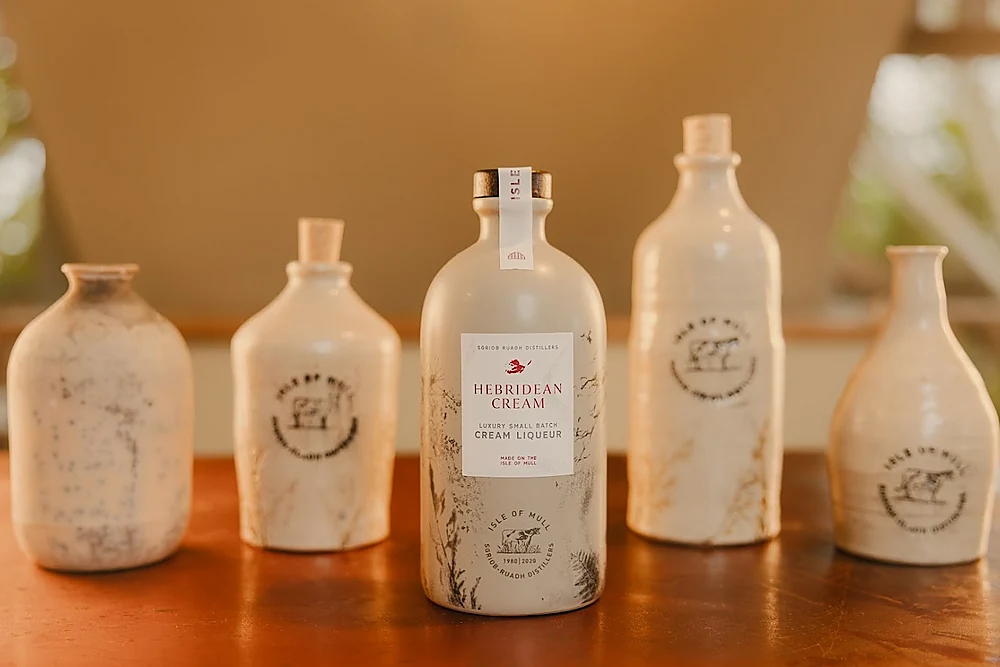
The ceramic bottle features patterns created from materials collected at Sgriob-ruadh, including cow hair, leaves, and foliage. These were used to produce textured designs through a ceramic firing process.
The first 100 bottles will also be accompanied by fabric gift bags made on the farm by Lily’s grandmother, Chris Reade.
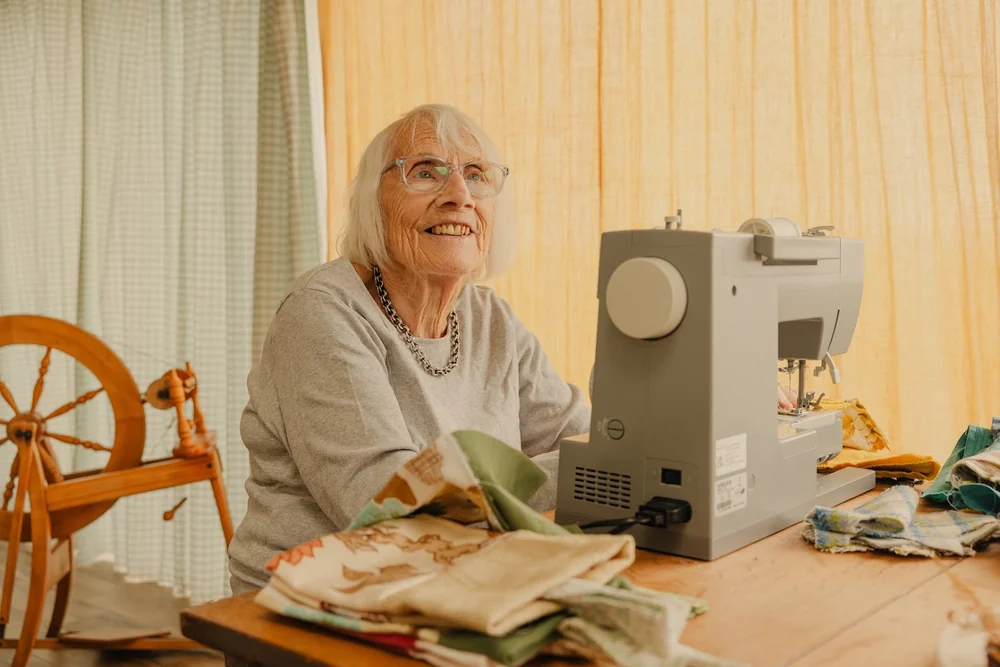
“I’ve grown up watching my family make something from whatever the farm and the island gives us,” Lily said in the announcement.
A family business that keeps finding new uses
The cheese dairy and distillery are only part of the operation.
The family also runs the Glass Barn farm shop and café, offers farm and distillery tours, and has developed visitor facilities alongside its food and drink production.
The Glass Barn itself was built in 1995 using materials recovered from an old village hall.
From an island milk round to farmhouse cheese, spirits, and visitor experiences, the business has developed through successive generations without leaving the farm where the Reades established their new life in 1980.
The forthcoming cream liqueur is a relatively small addition, with just 600 bottles planned for its first release.
But it illustrates something much bigger about Isle of Mull Cheese: the family’s habit of finding another use for what the farm already produces.